Puerto Natales: The Gateway to Torres del Paine
How to use Puerto Natales as your base for Torres del Paine: buses and transfers to the park, where to stay from lodges to campsites, gear, and permits.
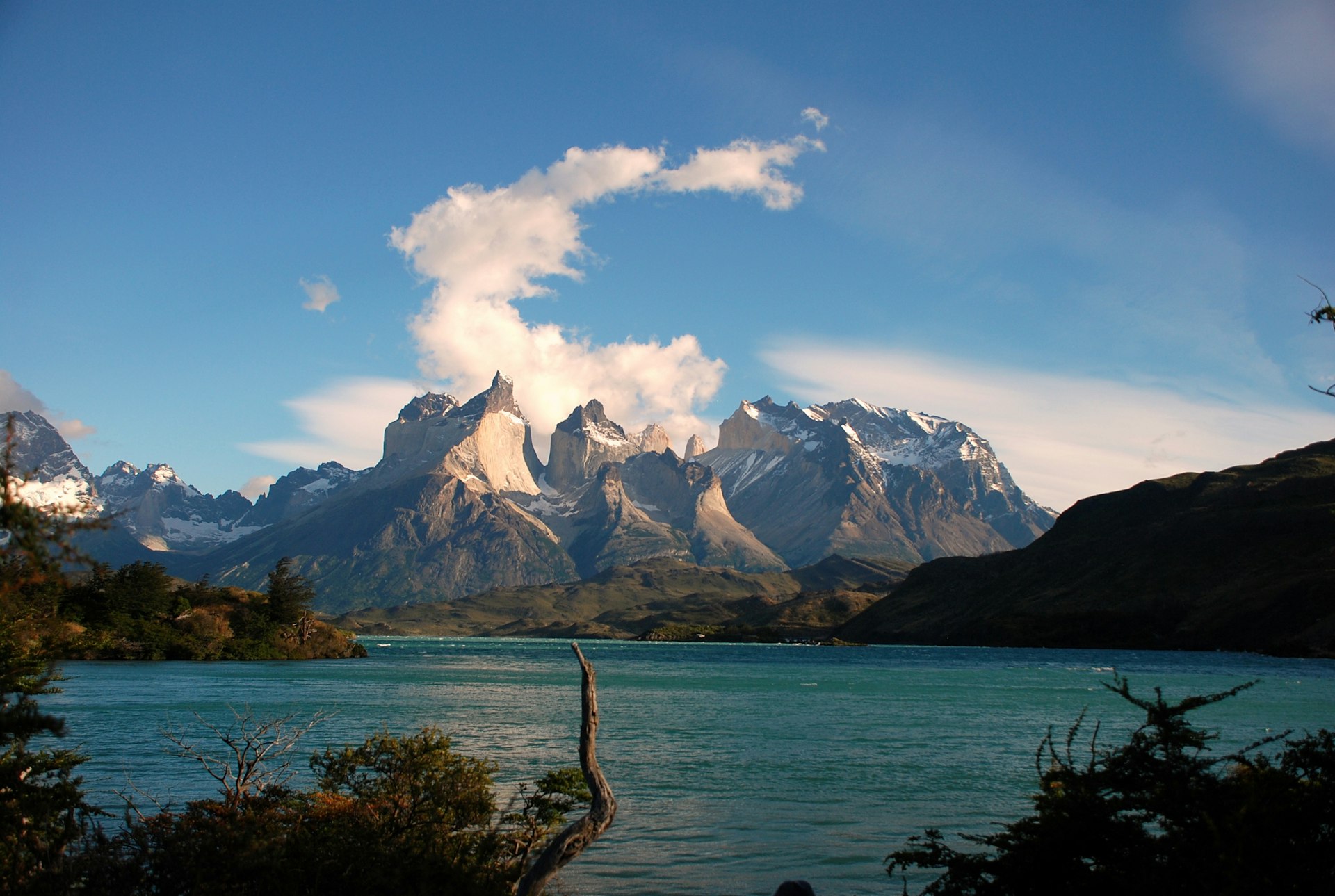
Puerto Natales sits at the edge of the world, a small Patagonian town that serves as the critical logistical hub for visitors heading into Torres del Paine National Park. The distance between the town center and the park entrance is just 110 kilometers, yet this stretch of Route 9 bisects some of the most dramatic landscapes on Earth. Most travelers underestimate the sheer scale of the logistics required here. You are not merely booking a hotel room. You are coordinating transport, permits, and food in a region where supply chains are fragile and weather changes in minutes. This guide breaks down exactly how to use Puerto Natales as your base. It covers transport options, accommodation strategies, and the hidden costs that trip up first-time visitors.
Getting From Puerto Natales to the Park Entrance
The journey from Puerto Natales to the main Torres del Paine gate takes approximately two hours by bus. This is not a leisurely drive through flat countryside. The route climbs steep grades and winds along the Rio Serrano. Buses depart from the main Rodoviario terminal in town. Several companies operate this route, including Buses Fierro and Buses Gómez. Prices typically range from USD 25 to USD 35 per person for a one-way ticket. You must book these tickets in advance during the high season, which runs from December to February.
Private transfers offer more flexibility but come at a premium. A private car service costs between USD 150 and USD 200 for a group of up to four people. This option allows you to stop for photos at roadside viewpoints along the way. It also lets you adjust your departure time. If you are traveling with a large group, splitting the cost of a private transfer often beats the bus price. You also gain door-to-door service. Most lodges inside the park do not accept walk-ins. You need a confirmed reservation before you even leave Puerto Natales.
- Book bus tickets at least two weeks in advance for December and January travel to guarantee a seat.
- Check if your lodge offers a shuttle service. Some high-end properties like Hotel Las Torres include transport in the package price.
- Arrive at the bus terminal 30 minutes early. Buses often leave exactly on time, regardless of passenger count.
- Bring a light jacket for the bus ride. The windows are small, and the wind chill at higher elevations is significant even in summer.
Renting a car in Puerto Natales is another viable option. Companies like Hertz and Sixt have offices in the town center. The daily rate for a compact SUV is around USD 80 to USD 120. This excludes insurance and fuel. Driving gives you the freedom to explore the area and its viewpoints, such as those over Lago Grey, at your own pace. However, parking inside the park is limited. During peak season, the parking lot fills by 10:00 AM. If you drive, you must be disciplined about your schedule. The roads are paved but narrow. Overtaking is difficult and often unsafe.
Choosing Your Base: Lodge vs. Camping
Accommodation choices in Torres del Paine define your experience. You can stay in a luxury lodge, a mid-range refugio, or a basic camping site. Each option has distinct advantages and drawbacks. Luxury lodges like Hotel Las Torres or Tierra Patagonia offer all-inclusive packages. These include meals, drinks, and guided hikes. The price tag is steep, often exceeding USD 1,000 per person per night. This option removes the stress of planning meals. It also guarantees a warm bed and reliable Wi-Fi. For many travelers, this convenience is worth the cost.
Mid-range refugios, such as Refugio Grey or Refugio Paine Grande, cater to trekkers. They provide dormitory-style beds and basic private rooms. Prices range from USD 50 to USD 150 per night. You must bring your own sleeping bag or rent one for an additional fee. Meals are available but must be booked in advance. The food is simple but hearty, designed to fuel long hikes. These refugios are located deep inside the park. You need to hike to reach them. This adds physical exertion to your trip.
Camping is the most budget-friendly option. Sites like Camping Grey or the campgrounds near the Torres base charge around USD 25 to USD 40 per person per night. You must bring your own tent, sleeping bag, and cooking gear. Some sites offer kitchen facilities with gas stoves. Others require you to cook in your tent. Weather is the critical factor here. Wind speeds can exceed 100 kilometers per hour. Your tent must be robust. A lightweight backpacking tent will likely fail. Secure your gear tightly. Wind is not a suggestion in Patagonia. It is a constant force.
Essential Gear and Packing Strategy
Packing for Torres del Paine requires a shift in mindset. You are not packing for a city vacation. You are packing for a wilderness expedition. Layering is the non-negotiable rule. Temperatures can swing from 5°C to 25°C in a single day. You need a moisture-wicking base layer. Add an insulating mid-layer like fleece. Top it with a waterproof and windproof shell. Brands like Arc’teryx and Patagonia are popular, but any high-quality outdoor brand works. Do not rely on cotton. Cotton retains moisture and kills body heat.
Footwear is equally critical. You will be hiking on rocky, uneven terrain. Sturdy hiking boots with ankle support are essential. Break them in before your trip. Blisters will ruin your hike. Bring merino wool socks. They manage sweat better than synthetic blends. Many travelers underestimate the need for sun protection. The UV index in Patagonia is extremely high. The thin atmosphere offers little protection. Bring SPF 50+ sunscreen, sunglasses, and a wide-brimmed hat. Apply sunscreen every two hours.
Food and water planning is another key area. If you are camping or staying in a refugio without full board, you must carry enough food. Water sources in the park are generally safe to drink after filtration. Bring a high-quality water filter or purification tablets. Do not rely on buying water inside the park. Supplies are limited and expensive. A liter of water inside the park can cost USD 3 to USD 5. Carry two liters at all times. Dehydration sets in quickly due to the dry wind.
Navigating the W Trek and O Circuit
Two routes account for almost everyone walking out of Puerto Natales. The W Trek is about 80 kilometers and takes four to five days, covering Grey Glacier, the French Valley and the Torres base. The O Circuit is roughly 110 kilometers over seven to nine days — the W plus a loop around the north and east of the park, quieter but with fewer places to bail out.
What you actually settle in Natales is logistical: which direction to walk, how much gear to rent here rather than carry from home, and whether your refugio bookings line up with your bus out. Park entry and refugio permits are booked separately, months ahead, through the park system and CONAF, and neither can be arranged on arrival. The fees, the booking windows and a west-to-east itinerary are set out in the guide to the W Trek in Torres del Paine.
Frequently Asked Questions
Do I need a visa to enter Torres del Paine?
Citizens of the United States, Canada, and most European countries do not need a visa for stays up to 90 days. You must have a passport valid for at least six months beyond your entry date. Check the Chilean Ministry of Foreign Affairs website for the most current regulations. Your nationality determines your visa requirements.
What is the best time to visit?
The best time to visit is during the Southern Hemisphere summer, from December to February. Temperatures are warmest, and daylight hours are longest. However, this is also the peak season. Crowds are dense, and prices are highest. Shoulder seasons in October and November offer fewer crowds and lower prices. Weather is less predictable, but the scenery is stunning with snow-capped peaks.
Is it safe to hike alone?
Hiking alone is generally safe, but not recommended for beginners. The terrain is challenging, and weather can change rapidly. Cell phone coverage is spotty or non-existent in many areas. Carry a satellite communicator or personal locator beacon. Inform someone of your itinerary. Hiking with a partner or group provides an extra layer of safety in case of injury or emergency.
How much cash do I need?
Credit cards are accepted at most lodges and restaurants in Puerto Natales. Inside the park, cash is king. Vending machines and small shops often do not accept cards. Bring at least USD 200 in Chilean Pesos or USD for emergencies. ATMs in Puerto Natales are reliable, but fees can be high. Notify your bank of your travel plans to avoid card blocks.
Conclusion
Puerto Natales is more than just a transit point. It is the gateway to one of the world’s most magnificent wilderness areas. Success in Torres del Paine depends on preparation. Book transport and accommodation early. Pack for extreme weather. Respect the park’s rules and regulations. The reward is a landscape that defies description. The granite towers rise against a backdrop of glaciers and lakes. It is a place that stays with you long after you leave. Start planning your trip today. Secure your permits now. The wind is waiting.