Best Time to Visit Patagonia: Month by Month
When to visit Patagonia: a month-by-month guide to weather, crowds, prices and trail access across summer, autumn, winter and spring in the south.
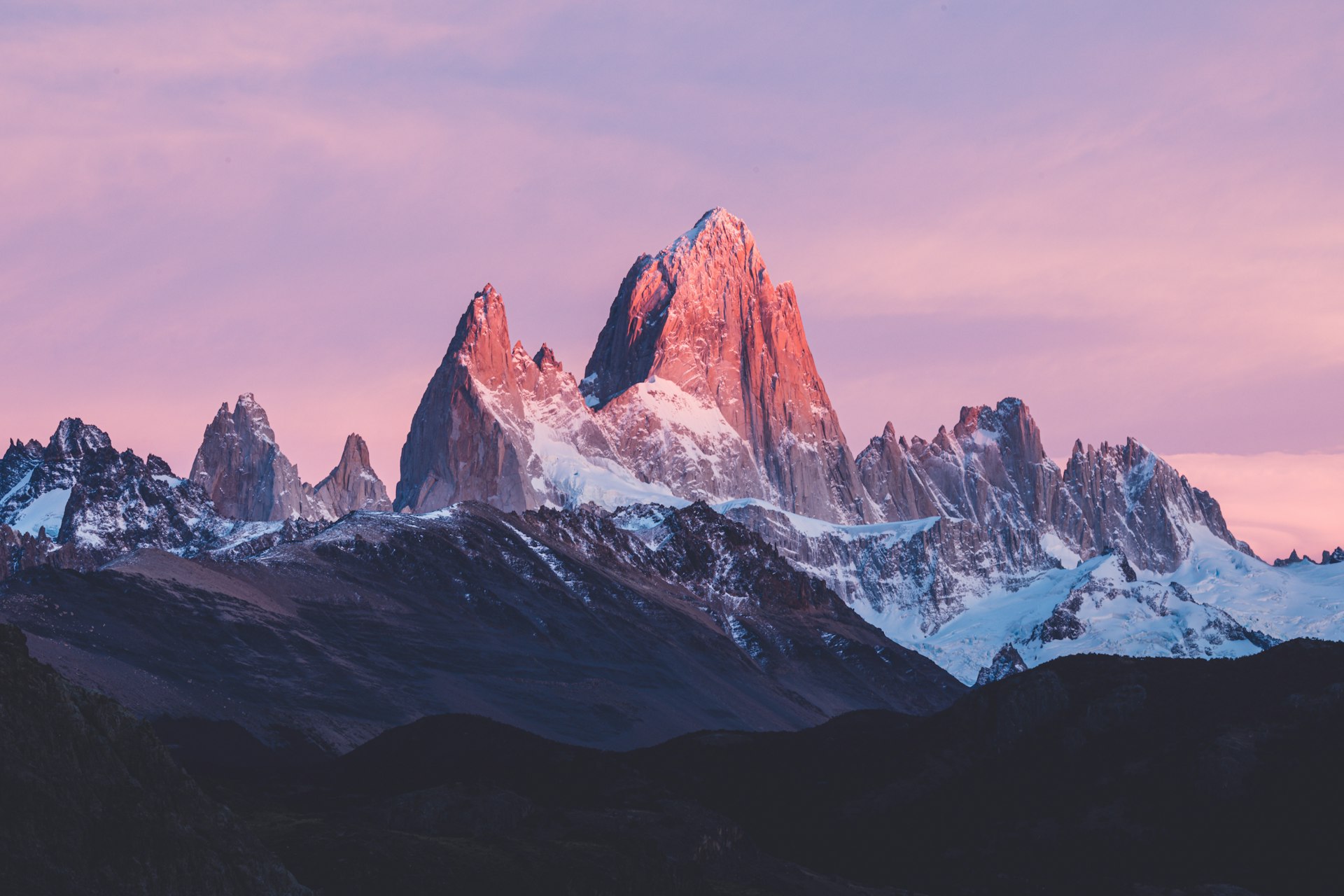
Patagonia does not offer a single uniform climate, but rather a complex mosaic of microclimates that shift dramatically across its 1,000-kilometre length. The southern tip of South America sees winds that can gust to 140 km/h in seconds, which makes timing your trip a matter of comfort rather than just preference. Understanding these seasonal nuances is critical for reaching sites like Torres del Paine or Mount Fitz Roy without battling closed trails or extreme weather.
The short answer: for full trail access and the most reliable weather, come between December and February. For the best balance of open trails, thin crowds and lower prices, come in March, October or November. Avoid June and July unless snow is the reason you're going.
Patagonia weather month by month
The figures below describe southern Patagonia — the El Calafate, El Chaltén and Torres del Paine belt around 50°S, where most trips happen. Two adjustments if your route differs: El Chaltén runs a degree or two cooler and considerably wetter than El Calafate, and the northern Lake District around Bariloche is milder in every month. Daylight figures are for the region as a whole, and all of it is subject to Patagonia's habit of delivering four seasons before lunch.
Patagonia in January
Peak summer and the peak of everything else. Days typically reach 15–20°C with nights of 5–8°C, and you get roughly 16 hours of daylight with sunsets close to 10 pm. Every trail is open, every refugio and service is running, and every one of them is full. January is also deep in the windy season: sustained westerlies with gusts of 80–110 km/h are normal on exposed ground, and they are the single most underestimated feature of a Patagonian summer.
Prices are at their annual high, and Torres del Paine refugio beds need booking months out. Best for: first-timers who want everything open and can absorb the crowds.
Patagonia in February
Almost identical to January in temperature — 15–19°C by day, 5–8°C at night — with daylight shortening to about 15 hours by month's end. Weather is at its most settled of the year, wind remains strong, and crowds begin to thin in the last week as the northern-hemisphere holidays end.
If you want summer conditions with slightly better odds on availability, late February beats January. Best for: stable weather with a marginally easier booking picture.
Patagonia in March
The month experienced Patagonia hands quietly recommend. Days of 12–17°C and nights of 3–6°C, about 13 hours of daylight with sunset near 8:30 pm, and the wind beginning to drop off its summer peak. The lenga forests turn red, orange and gold, and the light gets low and long — this is the photographer's month.
Refugios and services are still running, but visitor numbers fall noticeably from mid-month. Best for: autumn colour, calmer air and open infrastructure at once.
Patagonia in April
Autumn proper. Days of 9–14°C, nights around 1–4°C and freezing higher up, with daylight down to roughly 11 hours and sunset near 7 pm. The Chilean side gets wetter through April, and this is when the season winds down: many refugios and guided services close at the end of the month.
Footfall in Torres del Paine can be half of January's, and prices ease by 20–30%. Best for: solitude on the main trails while they're still open to independent walkers.
Patagonia in May
Late autumn, and the switch to low-season rules. Days of 6–10°C and nights of -1–2°C, with only about 9 hours of daylight. Snow arrives on the higher trails, most refugios are shut, and Torres del Paine moves to its low-season regime, in which independent trekking on the main routes is restricted and a certified guide is required.
It is cold, quiet and cheap, and the wind is far gentler than in summer. Best for: travellers who want the park nearly empty and are happy to hire a guide.
Patagonia in June
Winter begins and daylight bottoms out at roughly 8 hours, with sunrise around 9 am. Expect 4–7°C by day and -3–1°C at night, with snow on the ground and snowstorms passing through. The W Trek is effectively closed to independent hikers, and much of the Chilean infrastructure is shut for the season.
Argentine Patagonia keeps working: El Calafate stays open and Perito Moreno is at its most dramatic against snow. Best for: glacier trips and photography rather than trekking.
Patagonia in July
The coldest month: 3–6°C by day, -4–0°C at night, and the highest chance of snowstorms and short-notice road closures in remote areas. Daylight stays near 8 hours. This is the month for skiing, snowshoeing and guided ice climbing, and for almost nothing else on foot.
Build slack into the itinerary — a closed road here costs you a day, not an hour. Best for: winter sports and travellers who actively want the snow.
Patagonia in August
Still winter, slowly loosening: 4–8°C by day, -3–0°C at night, and daylight back up to about 9.5 hours. Snow cover remains, the parks stay quiet, and accommodation can be up to 50% cheaper than in January.
Conditions are unpredictable enough that a fixed day-by-day plan is a liability. Best for: the lowest prices of the year, with flexibility.
Patagonia in September
Early spring and the beginning of the thaw. Days of 8–12°C, nights of -1–3°C, and daylight back to roughly 12 hours. Wildflowers start, some trails begin to reopen, and services start waking up — though not all of them, and not on a published schedule.
On the Atlantic coast this is peak season for southern right whales off the Valdés Peninsula. Best for: shoulder-season quiet with lengthening days, if you can tolerate partial access.
Patagonia in October
The classic shoulder month. Days of 10–15°C, nights of 1–4°C, and about 14 hours of daylight. The W Trek typically reopens mid-month and refugios begin operating again; residual snow and mud linger on higher sections, so waterproof boots are not optional.
Crowds run roughly 30% below January and prices follow. The wind is also picking back up toward its summer strength. Best for: the best access-to-crowds ratio of the year.
Patagonia in November
Late spring, and full access returns: the O Circuit in Torres del Paine typically opens at the start of the month, with all refugios running by mid-November. Days of 13–18°C, nights of 3–6°C, and around 15.5 hours of daylight.
The trade-off is wind: November and December are commonly the windiest weeks of the year in the Torres del Paine massif. Best for: summer access before summer prices, if you're prepared for gusts.
Patagonia in December
The summer peak begins. Days of 14–19°C, nights of 4–7°C, and the year's maximum daylight at roughly 17 hours — sunsets after 10 pm, and usable light past 11. Everything is open, everything is booked, and prices climb through the month toward the Christmas peak.
Early December is the sweet spot: peak daylight, full access, and crowds that haven't quite arrived. Best for: long hiking days and maximum trail access.
Which month should you actually pick?
- Most reliable weather, everything open: January or February — accept the crowds and the prices.
- Best all-round compromise: March, or October into early November.
- Cheapest: July and August, by a wide margin, with the access limits that implies.
- Autumn colour: mid-March to mid-April.
- Longest days: December, with roughly nine more hours of usable light than June.
- Calmest air: the winter and early-autumn months — the wind peaks in late spring and summer, not in the cold.
Summer (December to February): peak activity, peak prices
The summer months are Patagonia's peak season, drawing visitors from Europe and North America after milder temperatures and long daylight hours. In Chilean Patagonia daytime temperatures usually sit between 15°C and 20°C, while Argentine Patagonia is similar with slightly higher humidity in the north. This is the most reliable window for high trails, including the W Trek in Torres del Paine National Park, which can require reservations up to 12 months ahead because of strict capacity limits. Reservations are handled by the Chilean park authority, CONAF.
The main drawback is crowd density. Popular viewpoints such as the Grey Glacier lookout or the Base of the Towers can hold hundreds of hikers at once, eroding the sense of isolation many travellers come for. Accommodation prices climb by roughly 40% to 60% against the shoulder seasons, with refugios in Torres del Paine charging up to USD 150 per night for a dormitory bed.
Book transport and lodging at least six months out, and reserve guided hikes early — they provide shelter and meals during sudden weather changes.
- Reserve campsites in Torres del Paine up to a year ahead via the Conaf website
- Expect USD 200–300 per night for private rooms in El Chaltén during January
- Book domestic flights from Buenos Aires to El Calafate three months ahead
- Pack layers for temperature swings of up to 15°C within a single day
Despite the crowds, summer is the best window for family travel, as most facilities and guided services run at full capacity. Extended daylight — with sunsets after 10 pm — allows long hiking days and flexible itineraries. Even so, be ready for rapid shifts: summer storms can bring heavy rain and strong winds in the middle of the day. If your itinerary includes driving between countries, our guide to renting a car in Patagonia covers the border permit that strands unprepared travellers.
Autumn (March to May): foliage and fewer crowds
Autumn transforms the landscape, especially in Argentine Patagonia where the lenga forests turn vivid red, orange and yellow. March is often the ideal month for photographers, as the foliage peaks while daylight is still long enough for full hikes. Temperatures start to drop, averaging 10°C to 15°C by day, with nights below freezing at higher elevations.
The fall in visitor numbers is substantial. By April, footfall in Torres del Paine can be half of January's, giving a far more serene experience on trails like the French Valley. Accommodation costs ease by 20% to 30%, which makes it friendlier for independent travellers. Some refugios and guided services do begin to cut their hours or close entirely by late May.
Autumn is also an excellent time to watch guanacos and condors, and guided wildlife tours focus on bird watching and mammal tracking during this season.
Wind speeds stay high, particularly in exposed areas like the Grey Glacier region, so windproof gear is non-negotiable. Shorter daylight — sunsets around 7 pm — means day hikes need careful planning to return before dusk. Some glacier boat tours also run reduced schedules as demand and weather change.
Winter (June to August): snowscapes and limited access
Winter brings heavy snowfall, icy trails and much shorter days. Temperatures average -5°C to 5°C, with frequent snowstorms that can close the high trails. The W Trek in Torres del Paine is often inaccessible under snow, and many refugios shut for the season. In return, the period opens up snowshoeing, skiing and ice climbing for experienced adventurers.
Argentine Patagonia offers a different winter. El Calafate and El Chaltén stay accessible, with guided snowshoe hikes giving close-up views of the Perito Moreno Glacier. Check current conditions with the Argentine national parks service. The glacier is especially striking in winter, with calving events happening more often as temperatures fluctuate. Operators run specialised winter packages, from glacier walks to horseback riding on snow.
Winter travel needs specialised equipment and experience; the better winter tours include gear rental and expert guides for safe navigation in snowy conditions.
The main upside is the dramatic drop in crowds — some areas see fewer than 10% of summer numbers — and accommodation prices can fall by up to 50%. Be ready for disruption, though: snowstorms and road closures are common in remote areas, so a flexible itinerary is essential.
Spring (September to November): renewal and re-opening
Spring thaws the winter landscape, with lengthening days and milder temperatures. September averages 8°C to 12°C by day, while November can reach 15°C to 18°C. It is an ideal balance of access and solitude: trails reopen, wildlife grows more active, and wildflowers begin to colour the valleys.
The W Trek in Torres del Paine typically reopens in mid-October, with full access by November. Expect some higher trails to remain muddy or snow-covered, so sturdy, waterproof footwear matters.
Do not expect spring to be calm: the Patagonian westerlies strengthen through October and November, and the windiest days of the year usually fall in late spring and early summer rather than in the cold months. Longer daylight — sunsets around 8 pm by November — allows longer days on the trail. Book accommodation and tours at least three months ahead, as spring is increasingly popular with travellers dodging the summer crowds.
September and October are the part of this window most people are actually choosing between, and they behave unlike November: fewer services open, lower prices, and weather that can turn twice in a day. They have a guide of their own — Patagonia’s shoulder season.
Frequently asked questions
What is the best month to visit Torres del Paine?
The best months are January and February, when all trails are open and conditions are most stable. They are also the busiest, so refugio and campsite reservations must be made up to 12 months ahead. For a quieter trip with still-good weather, October and November are a strong alternative with fewer crowds.
Can you visit Patagonia in winter?
Yes, but access to high trails like the W Trek is often limited by snow and ice. Winter suits glacier activities such as ice climbing and snowshoeing, particularly around El Calafate and El Chaltén. Expect cold temperatures, short days and possible travel disruption from snowstorms.
How crowded is Patagonia in October?
October is a shoulder-season month, with crowds well below summer but above winter. Visitor numbers in Torres del Paine run roughly 30% lower than January, so accommodation and popular viewpoints are easier. Some trails may still hold residual snow or mud, so plan and pack for it.
What should I pack for a Patagonia trip?
Bring waterproof and windproof outer layers, thermal base layers, sturdy hiking boots and sun protection. Temperatures swing widely, so layering is critical. Add a headlamp, a reusable water bottle and high-energy snacks for long hikes, and check with your operator for gear specific to your itinerary and season.
Is it safe to travel to Patagonia alone?
Patagonia is generally safe for solo travellers, but tell someone your itinerary and expected return times, especially on remote trails. Weather changes fast, so a satellite communicator or emergency beacon is recommended. Guided tours add both safety and company for solo travellers.
What is the coldest month in Patagonia?
July is the coldest month in southern Patagonia, with daytime highs of roughly 3–6°C and nights between -4°C and 0°C. June and August are only marginally warmer. Expect snow cover, around eight hours of daylight and a real chance of short-notice road closures in remote areas.
What is the windiest month in Patagonia?
Late spring and early summer — roughly November through January — are the windiest, not the winter months as many visitors assume. Sustained westerlies with gusts of 80–110 km/h are normal on exposed ground in Torres del Paine during this period. Winter is colder but noticeably calmer.
What is the cheapest month to visit Patagonia?
July and August are the cheapest by a wide margin, with accommodation up to 50% below January rates and very few other visitors. The trade-off is access: high trails are under snow, most refugios are closed and independent trekking on the main Torres del Paine routes is restricted.
How many hours of daylight does Patagonia get?
Around 17 hours in December, with sunsets after 10 pm and usable light past 11, falling to roughly 8 hours in June, when the sun rises near 9 am. That nine-hour swing matters more for itinerary planning than temperature does — a December day comfortably holds two hikes, a June day barely holds one.
Choosing your window
The best time to visit Patagonia depends on your priorities: summer offers maximum access and activity, the shoulder seasons balance decent weather with fewer crowds, and winter opens snow-based adventures for those who prepare for it. Whenever you go, thorough planning and the right gear are what separate a great trip from a cold, wet one. For more route-specific detail, browse the rest of our Patagonia field notes before you lock in the itinerary.