Patagonia Shoulder Season: September and October
Why September and October are Patagonia's sweet spot: fewer crowds, lower prices and spring wildlife, plus how to handle the weather swings.
The granite spires of Torres del Paine emerge from the mist as the first real warmth of the year settles over the Andes, marking the shift from the harsh Patagonian winter to a lively but unpredictable spring. This is neither the crowded high-summer rush of January nor the dormant freeze of July; it is a dynamic window where the landscape reawakens. Travellers who visit in September and October trade the guarantee of perfect weather for solitude, lower costs, and the raw beauty of a region in flux. The air is crisp, the light is golden, and the trails are often yours alone. If you are still weighing dates, our guide to the best time to visit Patagonia compares every season.
Understanding the Patagonian Spring Transition
Patagonia's seasons are inverted relative to the Northern Hemisphere, so spring runs from September through November. The character of the weather shifts sharply within that window. September is really the tail end of winter, bringing cold, clear air to the region. The days are lengthening, but the nights stay biting, and snow still falls at higher altitudes. It is a stark, minimalist time, with the landscape defined by contrast between white snow and dark rock — well suited to travellers who do not mind packing for sub-zero mornings and mild afternoons.
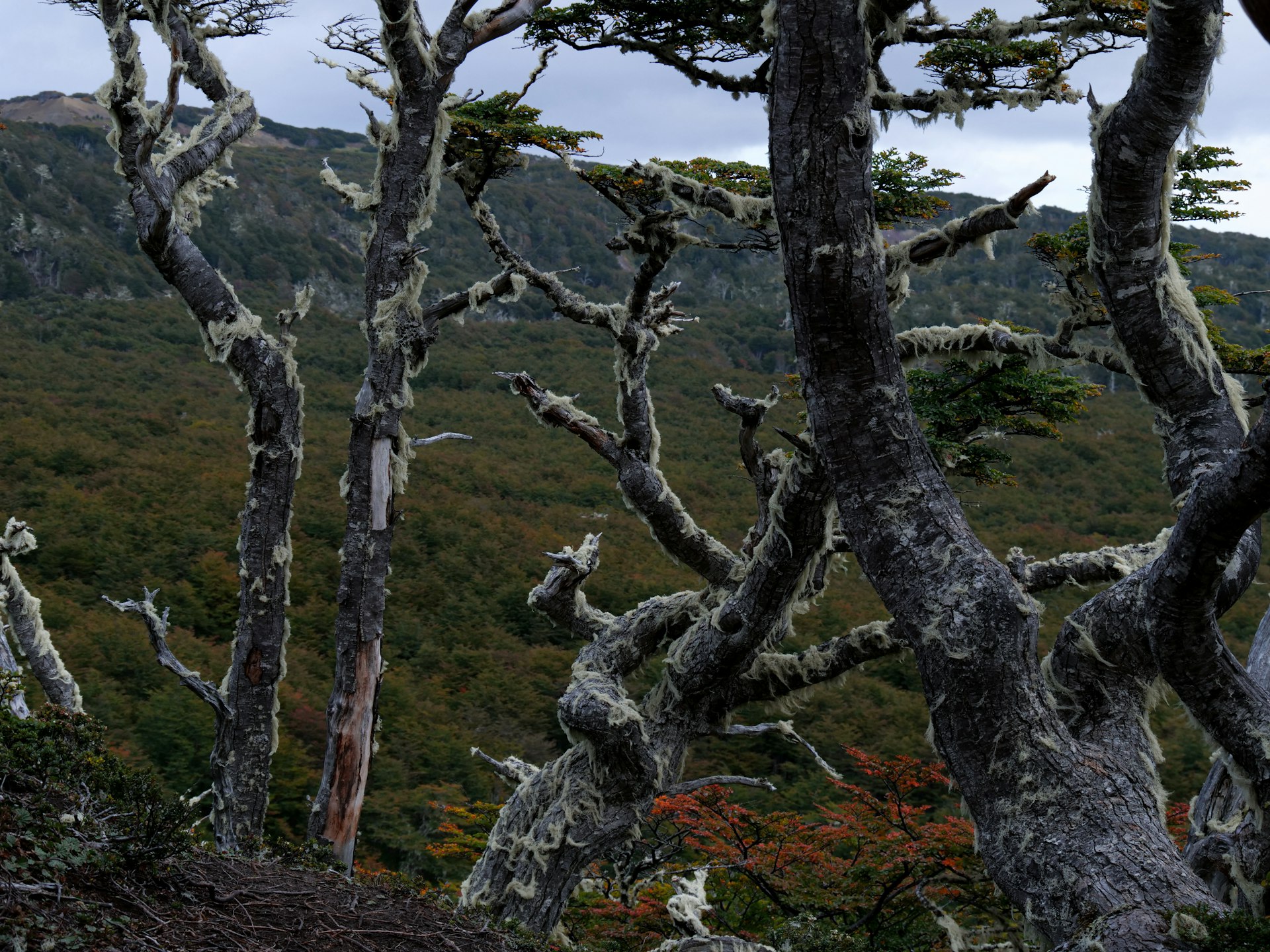
By October the region changes. This is the heart of the shoulder season, when spring becomes visible. Temperatures start to rise, making hiking more comfortable, and the lenga forests begin to flush with green. Rainfall increases slightly compared with the dry winter months, but that moisture is what fuels the wildflowers spreading through the valleys. The wind, a constant companion in Patagonia, can still be fierce, though it is often balanced by long stretches of clear sky. Reading this transition is key for packing and planning, because conditions can swing from sunny to stormy within hours.
Wildlife and Nature Waking Up
One of the main draws of the shoulder season is watching wildlife in a state of renewal. The guanaco, the region's iconic camelid, becomes more visible as spring advances, and the animals are generally less skittish than during the peak-summer crush, allowing closer, calmer observation. Andean condors are more active too, riding the thermals above the valleys as they search the thawing ground for carrion. Their huge wingspans set against the Andes make for a humbling sight.
The flora shifts just as noticeably. In September the landscape is largely dormant, but by October the valleys carry the bright blooms of native flowers, and the lenga trees leaf out in fresh green against the grey granite. Birdwatchers can look for the upland goose, the striking black-and-red Magellanic woodpecker, and flocks of rhea (ñandú) on the steppe, while pumas — rarely seen but present — grow more active as prey returns. The rising activity makes this a rewarding stretch for anyone happy to handle cooler temperatures.
Practical Tips for Shoulder Season Travel
Travelling in Patagonia during the shoulder season rewards careful planning and a flexible mindset. The weather is unpredictable, and some infrastructure is not yet running at full summer capacity. Preparing for a wide range of conditions is what makes the difference:
- Book accommodation and tours ahead: popular hostels and refugios in Torres del Paine National Park fill quickly even in the shoulder season, despite the lower overall numbers.
- Layer strategically — a moisture-wicking base, an insulating mid-layer, and a waterproof, windproof shell — to handle sudden swings in temperature and rain.
- Plan hikes for the middle of the day, when the sun is highest and temperatures are warmest, for the best light and the most comfortable trekking.
- Expect road closures or limited transport, since some remote areas stay hard to reach through snow or mud; always check local conditions first.
A local guide can add a lot in this season, reading the changing landscape and smoothing out the logistics. If you plan to drive yourself, see our notes on renting a car in Patagonia, and once you have your route, our Torres del Paine day hikes guide covers the walks that work best when the weather is changeable.
Navigating the Weather and Terrain
The weather here is famously volatile, and never more so than in spring. September brings cold mornings and evenings, often below freezing; days can be sunny and clear, but clouds roll in fast with rain or even snow. October is a little warmer, yet the risk of rain rises, which makes waterproof gear essential. Wind is the other constant — strong and persistent, and a real factor for comfort and safety on exposed trails.
The terrain is demanding, with steep ascents, rocky paths and uneven ground. In the shoulder season some trails are still muddy or patched with snow, so careful footing and trekking poles help. Choose hikes that match your fitness and experience, and always tell someone your plans before setting out. The scenery is extraordinary, but it asks for respect and preparation. Getting to the trailheads takes planning too — our guide to getting to Torres del Paine lays out the options.
Why Choose the Shoulder Season?
Visiting in the shoulder season has clear advantages over peak summer. First, the crowds are much smaller, so trails are quieter and the wilderness feels closer. That also tends to mean lower prices for rooms and tours, and more genuine contact with local communities. The quiet is a large part of the appeal.
The shoulder season also gives a distinct view of the landscape. Changing foliage, newborn wildlife and dramatic skies make an ever-shifting backdrop for your days out. It is a time when nature is visibly in motion, with moments you simply do not get in the settled summer. For travellers after something more adventurous and less scripted, September and October reward patience and flexibility with a deeper feel for the region.
Frequently Asked Questions
Is it safe to hike in Patagonia in September?
Generally yes, but you must prepare for cold and possible snow. Trails can be icy or muddy, so proper footwear and trekking poles help. Check the forecast and trail conditions before setting out, and consider a guide if you do not know the terrain. Preparation and caution are what keep September hiking safe.
What should I pack for a spring trip to Patagonia?
Pack for every condition: a waterproof, windproof jacket, thermal base layers, warm mid-layers, sturdy hiking boots, gloves and a hat. Sunglasses and sunscreen matter because of the strong UV. Bring a reusable water bottle and trail snacks. Layering is the key to staying comfortable as the temperature moves through the day.
Are all attractions open during the shoulder season?
Most major sites, including Torres del Paine National Park, are open, but some facilities or trails may keep limited hours or close in bad weather. Check with local tourism offices or park authorities for current information, and keep your itinerary flexible, since remote areas can be temporarily inaccessible.
The Verdict
Visiting Patagonia in the shoulder season rewards the flexible traveller with solitude, striking scenery and a closer connection to the land. The weather may be unpredictable, but watching the landscape come alive in spring is hard to match. Book accommodation early, pack versatile clothing, take the changeable terrain as part of the adventure, and stay ready to adapt. September and October open a quiet window into Patagonia when the raw power of the place is fully on show.
Sources and further reading: CONAF (Chile's national parks authority) and Chile Travel (official tourism).