How to Get to Torres del Paine: Routes and Buses
How to reach Torres del Paine in Chilean Patagonia: flights to Punta Arenas, buses via Puerto Natales, park timing and transport options explained.
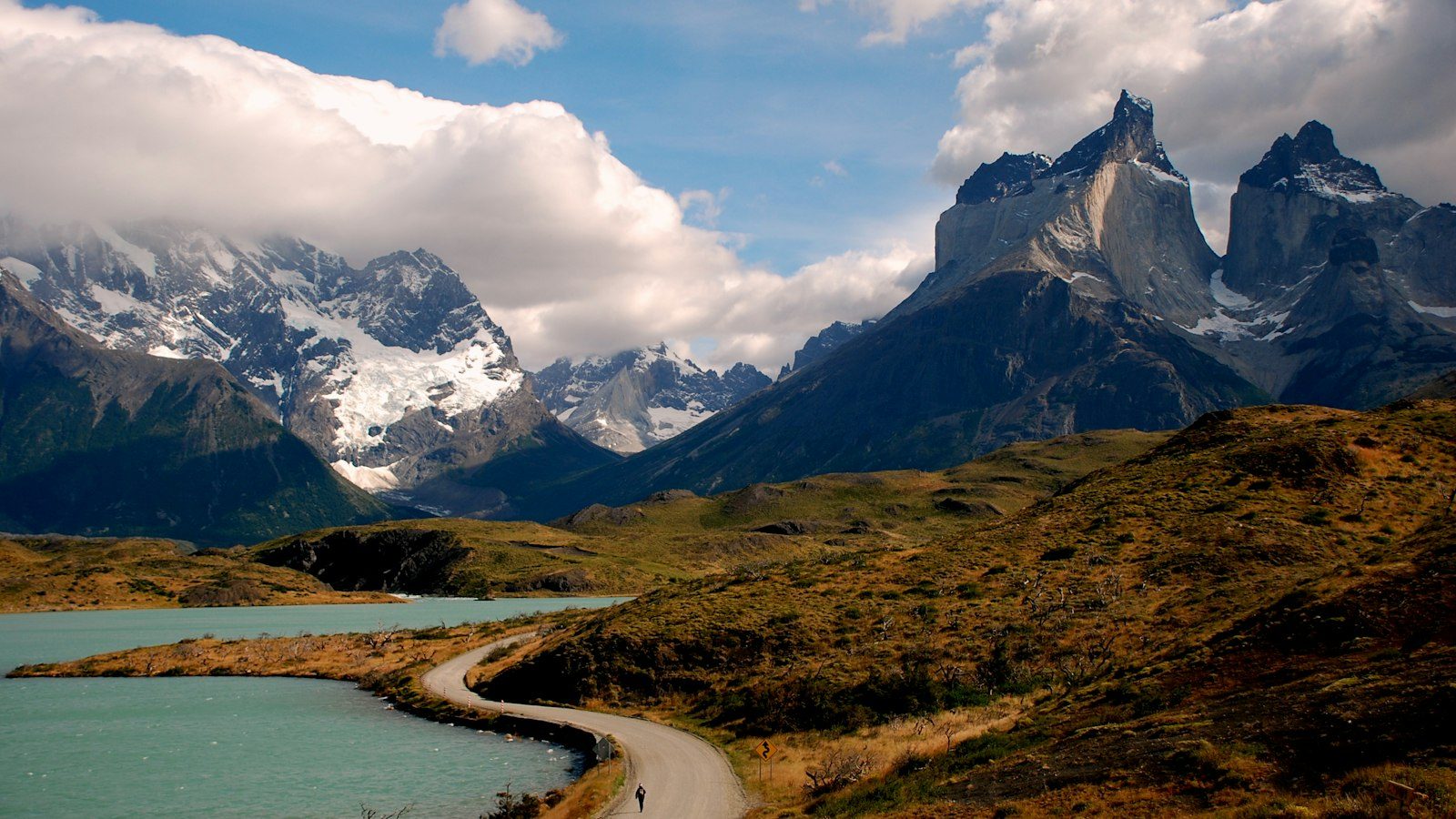
Torres del Paine National Park stands as the crown jewel of Chilean Patagonia, drawing over 200,000 visitors annually to its granite spires and turquoise lakes. Reaching this remote wilderness requires careful coordination, as the region lacks direct air service and relies heavily on a network of long-distance buses and ferries. Most travelers begin their journey in Punta Arenas, Chile, or Puerto Natales, the primary gateway towns located approximately 100 kilometers from the park entrance. Understanding the logistical nuances of these routes is critical for avoiding costly delays and ensuring you arrive with enough daylight to check into your lodge or campsite.
The terrain here is unforgiving, and weather conditions can shift from clear blue skies to blinding whiteouts within hours. This volatility impacts not only your hiking experience but also your transportation options. Bus schedules are rigid, and missing a connection in Puerto Natales can leave you stranded for days. By mapping out your arrival strategy in advance, you secure the best accommodation rates and maximize your time inside the park. This guide breaks down every viable route, from budget-friendly bus connections to premium private transfers, ensuring your entrance into Patagonia is as seamless as possible.
The Primary Gateway: Puerto Natales Logistics
Puerto Natales serves as the operational hub for almost all Torres del Paine itineraries. The distance from Puerto Natales to the park’s main entrance at Refugio Grey or the hotel area is roughly 110 kilometers, a journey of between 2.5 and 3.5 hours depending on road conditions and traffic. Most visitors spend at least one night in Natales before heading into the park, picking up last-minute supplies and rented gear before an early start.
The town has more than one departure point: the main terminal operated by Buses Pullman and the smaller stop for Buses Condor. Knowing which one your ticket names matters more than it sounds, as they are not always adjacent, and missing a bus here is the most common way a first day in the park gets lost. Most departures fall between 07:00 and 09:00, so an early night is part of the plan.
- Book your bus tickets at least 48 hours in advance via the Buses Pullman website to secure a seat.
- Confirm your bus departure location, as some companies depart from downtown Natales while others use the peripheral terminal.
- Allow 30 minutes for check-in and luggage drop-off before your scheduled departure time.
- Carry high-energy snacks and water, as bus stops in the middle of the route offer no amenities.
Where to sleep, what a bed costs and where to rent gear are a separate question from getting there: we cover the town itself in the guide to Puerto Natales as a base for Torres del Paine.
Bus Connections from Punta Arenas
For travelers flying into Chile, Punta Arenas International Airport is often the only entry point with regular international flights. From the airport, you must travel to Punta Arenas city center, which takes approximately 20 minutes by taxi or shuttle. Once in the city, the next leg involves a bus ride to Puerto Natales. This journey covers about 300 kilometers and takes between 3.5 and 4.5 hours. Companies like Buses Pullman and Buses Condor operate frequent daily services, with fares typically ranging from USD 25 to USD 35 per person.
Some travelers attempt to go directly from Punta Arenas to Torres del Paine, but this is rarely efficient. Most buses terminate in Puerto Natales, requiring a transfer. Direct buses exist but are less frequent and often more expensive. The indirect route allows you to break up the journey and settle into the region’s rhythm. If you arrive in Punta Arenas late in the day, you will likely need to stay overnight. Hotels in Punta Arenas are generally cheaper than in Natales, with options starting at USD 40 per night.
The bus ride itself offers stunning views of the steppe and the Strait of Magellan. However, the roads can be rough, and motion sickness is a real concern for some passengers. It is advisable to bring medication if you are prone to nausea. The buses are comfortable, equipped with air conditioning and restrooms, but legroom can be tight for taller individuals. Wi-Fi is available on some newer coaches, but connectivity is unreliable due to the remote location.
When planning your transfer from Punta Arenas, consider the arrival time of your flight. If you land before 14:00, you can catch an afternoon bus to Natales and rest overnight. If you arrive later, an overnight stay in Punta Arenas is the only viable option. This extra night adds cost but reduces stress. The total cost for a one-way bus from Punta Arenas to Natales is approximately USD 30, making it a budget-friendly option for backpackers.
Direct Routes from Santiago and Buenos Aires
Long-distance travel from major South American hubs requires significant time investment. From Santiago, Chile, the journey to Puerto Natales covers approximately 2,500 kilometers. This trip typically takes two days, with an overnight stop in cities like Temuco or Puerto Montt. Buses Pullman offers a direct service that takes roughly 30 hours, including rest stops. Tickets for this journey can cost between USD 150 and USD 200. The experience is grueling but offers a unique perspective on Chile’s diverse geography, from the Andes to the Patagonian steppe.
For travelers coming from Argentina, the route from Buenos Aires is equally demanding. The distance is around 2,800 kilometers, and the journey takes approximately 36 to 40 hours. Companies like Flecha Bus and Cogenor operate these long-haul routes. You will need to cross the border at Cerro Castillo or Rio Turbio, which involves immigration checks. Ensure your visa and documentation are in order before boarding. The cost for this journey ranges from USD 180 to USD 250, depending on the class of service.
Many travelers choose to fly from Santiago or Buenos Aires to Punta Arenas to save time. Flight times are approximately 3.5 hours from Santiago and 2.5 hours from Buenos Aires. While more expensive, with fares ranging from USD 200 to USD 400 roundtrip, flying eliminates the physical toll of a multi-day bus ride. This option is ideal for those with limited vacation days or mobility issues. Once in Punta Arenas, you can take the shorter bus ride to Puerto Natales as described earlier.
The decision to fly or take the bus depends on your budget and time constraints. If you have two weeks or more, the bus journey can be an adventure in itself. If you have only five days, flying is the only practical choice. Consider the value of your time versus the cost of the ticket. For most international tourists, flying to Punta Arenas and then busing to Natales is the most balanced approach.
Alternative Entrances: From Argentina and the Lake District
Torres del Paine is accessible from both Chile and Argentina. The Chilean side, via Puerto Natales, is the most popular and developed. However, the Argentine side offers a different perspective, entering through El Chaltén or El Calafate. From El Chaltén, the distance to the park’s Argentine border entrance is about 100 kilometers. Buses run regularly between El Chaltén and El Calafate, and from there, you can take a bus or private transfer to the park.
Entering from Argentina requires a different visa strategy and currency exchange. The Argentine Peso often fluctuates, affecting the cost of services. Prices in El Calafate are generally higher than in Puerto Natales due to the town’s popularity as a gateway to Perito Moreno Glacier. A bus from El Calafate to the park entrance costs around USD 40 and takes 3.5 hours. This route is less crowded but offers fewer accommodation options near the park entrance.
Another alternative is entering from the Lake District, specifically from Puerto Varas or Puerto Montt. This route involves a long bus ride north to Puerto Natales, covering over 1,500 kilometers. It is rarely taken by tourists heading specifically to Torres del Paine due to the excessive travel time. However, if you are combining a trip to the volcanoes of the Lake District with Patagonia, this route makes sense. The journey takes about 24 hours and costs approximately USD 120.
Each entrance offers unique advantages. The Chilean side has better infrastructure and more tour operators. The Argentine side provides a quieter, more rugged experience. Choose your entrance based on your overall itinerary and visa status. Always check border crossing hours, as some checkpoints close early in the evening.
Timing Your Arrival for Maximum Impact
Timing is everything in Patagonia. The park is open year-round, but conditions vary drastically by season. The peak season runs from December to February, offering long daylight hours and mild temperatures. However, this is also the most crowded and expensive time to visit. Prices for accommodations and tours can double compared to the shoulder seasons. If you prefer fewer crowds and lower costs, consider visiting in October, November, March, or April.
Weather in Torres del Paine is unpredictable. Even in summer, you can experience rain, wind, and snow. Layered clothing is essential. The wind speeds can reach over 100 kilometers per hour, making exposed ridges dangerous without proper gear. Check the weather forecast from the Chilean weather service (Meteochile) before your trip. This data helps you pack appropriately and plan your hiking schedule.
Bus schedules are fixed and do not adjust for weather delays. If a storm hits, your bus will still depart at the scheduled time. This means you must be at the station on time, regardless of conditions. Arriving late can mean missing the only daily bus to the park, leaving you stranded in Natales for several days. Always build in a buffer day in your itinerary to account for potential delays.
The best time to arrive at the park is by early afternoon. This allows you to check into your accommodation, drop off your gear, and explore the immediate area before dark. Sunset occurs as late as 10:00 PM in summer, providing ample light for evening activities. In winter, sunset can be as early as 5:00 PM, limiting your time outside. Plan your hikes accordingly, starting early in the morning to avoid afternoon storms.
Frequently Asked Questions
What is the cheapest way to get to Torres del Paine?
The most budget-friendly option is taking a long-distance bus from Santiago or Buenos Aires, which costs between USD 150 and USD 250 one-way. For those already in the region, busing from Punta Arenas to Puerto Natales and then to the park costs approximately USD 55 total. Hostels in Natales offer dorm beds for as low as USD 15 per night, further reducing expenses.
How many days should I spend in Torres del Paine?
Most visitors allocate 3 to 5 days to fully experience the park. The classic "W Trek" takes 4 to 5 days, while the "O Circuit" requires 7 to 10 days. Shorter visits of 2 days are possible but limit you to day hikes from the main hotel area. Ensure your bus tickets allow for a full day of hiking before your departure.
Is it safe to travel to Torres del Paine in winter?
Winter travel (June to August) is possible but challenging. Roads can be icy, and bus schedules may be reduced. Temperatures can drop below freezing, and daylight hours are short. If you visit in winter, book a guided tour and rent specialized gear. Independent travel is not recommended for inexperienced hikers during this period.
Do I need a visa to enter Torres del Paine?
Citizens of many countries, including the US, Canada, and EU nations, do not need a visa for stays up to 90 days in Chile or Argentina. Always check the latest immigration requirements for your nationality before traveling. Ensure your passport is valid for at least six months beyond your entry date.
Final Tips
To ensure a smooth transition into the park, confirm your bus reservation 24 hours before departure and arrive at the station 45 minutes early. Patagonian logistics are unforgiving, and a single missed connection can derail your entire itinerary. Pack a lightweight, waterproof jacket and sturdy hiking boots, as weather conditions change rapidly. Most importantly, book your accommodation and transport at least three months in advance, especially for peak season travel. Secure your spot now to avoid the disappointment of sold-out lodges.