Torres del Paine Day Hikes: Best Short Walks
The best day hikes in Torres del Paine — Base Las Torres, French Valley and Grey Glacier — with realistic timings, park entry tips and what to pack.
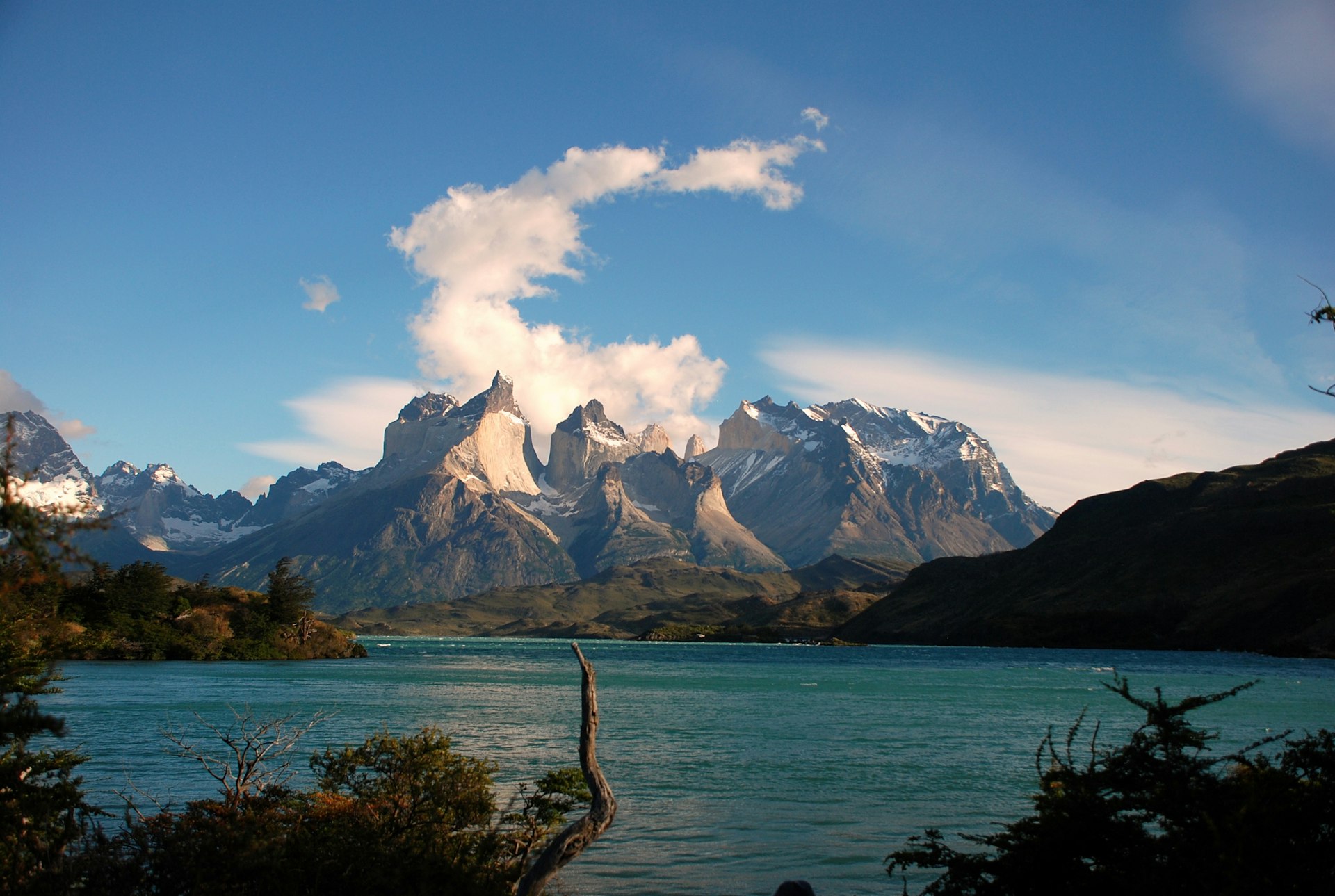
Patagonia's winds carve through granite spires and turquoise lakes, creating a landscape that demands respect and offers unforgettable views. While the famous W Trek dominates conversation, much of the magic of Parque Nacional Torres del Paine lies in its accessible day hikes. These shorter routes let you experience the park's raw beauty without committing to days of backcountry camping. From the dramatic French Valley to the icy shore of Lago Grey, each trail offers a distinct chapter of Chilean wilderness. For the practicalities of arriving, see our guide to getting to Torres del Paine.
Why Choose Day Hikes Over Multi-Day Treks
Many visitors arrive in Patagonia with grand ambitions to complete the entire W or O circuit. Weather here, though, is notoriously unpredictable. A sudden storm can turn a moderate hike into a dangerous ordeal, leaving hikers stranded in refugios for days. By focusing on day hikes, you keep the flexibility to adjust your plans to daily conditions. If the wind is howling at the peaks, you can opt for a lower-altitude trail near the lakes instead.
Day hikes also remove the logistical burden of carrying heavy gear. You do not need to worry about pitching tents in freezing rain or rationing a week of food. That lets you travel lighter and focus on the experience itself. It also opens the park to a wider range of fitness levels. Families with older children, senior travellers, or those short on time can still witness the grandeur of the Andes. The scenery stays just as powerful, even when the distance is shorter.
Another advantage is the chance to combine hiking with other activities. You might spend the morning trekking and the afternoon kayaking on Lago Grey or visiting a nearby estancia for a traditional lamb asado. This variety enriches your Patagonian trip. It prevents hiking fatigue and leaves you with a broader set of memories. The park is vast, and trying to see everything in one go often leads to burnout. A well-chosen selection of day hikes makes for a more manageable and enjoyable itinerary.
The hike to the Base of the Towers
For the park's namesake, the hike to the Base of the Towers is the classic outing. The trail leads to the foot of the three granite towers that define the skyline, ending at the Mirador Las Torres viewpoint above a small glacial lagoon. It is longer and more strenuous than a French Valley day walk — count on a long day out and a steep final scramble over a boulder field. The path winds through lenga forest and open pasture before the last steep climb. Standing beneath these monolithic peaks is a humbling experience no photograph fully captures. If you would rather drive yourself to the trailhead, our notes on renting a car in Patagonia cover the essentials.
Both trails reward advance planning. The park manages visitor numbers through a ticketing system, so you should secure your park entry ahead of time, especially in high season. Missing that step can mean missing out. The trails are well marked, but conditions change quickly. Always check the forecast and be ready for cold, wet and windy weather, even in summer. The terrain can be muddy and rocky, so sturdy footwear is essential.
- Buy your park entry in advance through the official CONAF ticketing platform to secure access to popular trails like the Base of the Towers.
- Start early to avoid the strongest afternoon winds and to find parking at the trailheads, which fill up fast in peak season.
- Carry all your meals and snacks, as there are no shops on the trails; pack high-energy foods like nuts, chocolate and dried fruit.
- Wear layers, including a waterproof shell and thermal base layers, as temperatures can drop sharply and rain can arrive at any time of year.
The lakes: Lago Grey and Lago Pehoé
Lago Grey offers a different side of the park. This glacial lake is fed by the Grey Glacier, which calves icebergs into its grey-blue water. Reached via a catamaran across the lake or on foot from Paine Grande, the walk passes through lenga forest before opening onto the shoreline, where stranded icebergs often glow a brilliant blue. The view of the distant glacier from the beach is impressive, though binoculars help with the detail. Many visitors combine the walk with a boat tour to get closer to the ice face.
Lago Pehoé is another highlight, known for its striking blue-green water and the reflection of the Paine Massif. Short walks around Pudeto and the lakeshore are far easier than the Base of the Towers, making them a good option for stunning views without a grueling day on the trail. The paths are well maintained and pass through native forest. From the right vantage point you can see the Cuernos del Paine mirrored in calm water, especially in early morning or late afternoon when the light is soft.
These lakeside walks are particularly rewarding in spring and autumn. In spring, the waterfalls run at full flow with snowmelt. In autumn, the foliage turns deep shades of red and gold that set off the blue lakes. Both areas are popular, so expect to share the path, yet the sheer scale of the landscape means you rarely feel crowded. The quiet of the wilderness is still there, even on busy days. For a season-by-season breakdown, see our guide to the best time to visit Patagonia.
Practical Preparation and Safety Tips
Preparation is what makes for a good day in Torres del Paine. The weather can shift from sunny to stormy in minutes. Always check the forecast before heading out, and still be ready for anything. Layering is the key to managing body temperature. Start with a moisture-wicking base layer, add an insulating mid-layer, and top it with a waterproof, windproof shell. The Patagonian wind is relentless and can bring on hypothermia even in summer if you are not properly dressed.
Footwear matters just as much. The trails can be rocky, muddy and uneven. Sturdy hiking boots with good ankle support are recommended. Trail runners may do for shorter, drier paths, but boots are safer for longer hikes and variable ground. Break your shoes in before the trip to avoid blisters, and bring gaiters to keep mud and debris out, especially when crossing streams or wet grass.
Hydration and nutrition are critical. Dry air and exertion lead to dehydration quickly. Carry more water than you think you need, and consider a filter or purification tablets if you plan to refill from streams. Pack high-energy snacks that are easy to eat on the move. There are no vending machines or cafés on the trails, so you must be self-sufficient. Finally, tell someone your hiking plan and expected return time — a basic precaution that can save lives in an emergency.
Alternative routes: Salto Grande and the French Valley
Beyond the towers and the glacier there are other worthwhile days in the park. The short path to the Salto Grande waterfall, between Lago Nordenskjöld and Lago Pehoé, is an easy walk that suits families with children and anyone new to mountain trails. From there you can continue to the Mirador Cuernos for a view of the massif's horns — the Cuernos del Paine — reflected in the water.
The more serious option is the French Valley (Valle del Francés), one of the most dramatic landscapes in the park. It takes its name from the French Glacier (Glaciar Francés) hanging at its head, and the U-shaped valley was carved by ancient ice. The route crosses hanging bridges over rushing rivers and offers views of ice and rock avalanches tumbling down the sheer face of the massif. The valley floor is relatively gentle, though reaching the higher viewpoints — Mirador Francés and, further on, Mirador Británico — adds a solid climb, and the reward is a panorama of the Paine Massif, often wrapped in mist. Both routes let you vary the week without choosing between a stroll and an ordeal.
Frequently Asked Questions
Do I need a guide for day hikes in Torres del Paine?
No, you do not strictly need a guide for the main day hikes. The trails are well marked and signposted. A guide can still add real value, sharing insight into the local flora, fauna and geology, helping you read fast-changing weather, and keeping you on the right path. If you are uneasy about navigation or want a more educational day, hiring a guide is a good option.
What is the best time of year to visit for day hikes?
The peak season runs from November to March, when days are longer and the weather is generally milder — it is also the busiest stretch. If you prefer fewer people and don't mind cooler temperatures, consider October or April. The autumn colours in April are particularly beautiful. Winter hiking is possible but calls for specialised gear and experience due to snow and ice.
How difficult are the day hikes in Torres del Paine?
Difficulty varies by trail. Short walks around Lago Pehoé are easy to moderate. The French Valley is moderate, with some steep sections. The Base of the Towers is challenging thanks to its length and the steep final climb. Most day hikes ask for a reasonable level of fitness, but you do not need to be an expert mountaineer. Take your time, rest often, and listen to your body. The trails are not technical — no climbing gear needed — but endurance counts. For scale, expect 15–20 km in a day with around 900 m of ascent on the Base of the Towers route.
What should I do if the weather turns?
Patagonian weather can change at any moment. If a storm is coming in or the wind is building, stop climbing and turn back rather than pushing for the viewpoint. There are refugios and camps in the park where you can wait it out. Always carry a spare layer and a rain shell, and navigate by map rather than by landmarks alone — visibility can drop to nothing in a few minutes.
Final Word
Torres del Paine offers a wealth of day hikes that capture the essence of Patagonia. From the dramatic valleys to the quiet lakeshores, each trail is a distinct encounter with nature. Plan ahead, prepare properly, and you can enjoy these outings safely and comfortably. Book your park entry early and dress for every kind of weather. The park's beauty endures, but access is limited, so choose your trails with care. Check current rules and conditions with the park authority, CONAF, and buy tickets through the official Pases Parques platform before you go.